Standing Room or a Seat: Choose by the Night You Want
Standing room or a seat? Choose a concert spot that fits how you want to listen, move, see the stage, and manage the evening from arrival to encore.
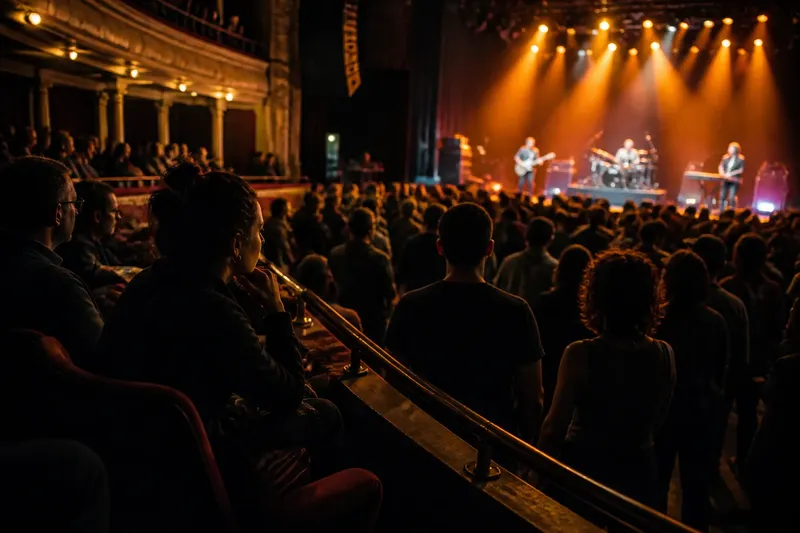
Standing room or a seat—which concert spot fits the night you want? A seat gives you a known place to watch from; standing room lets you shift position or move with the music. Start with how you want to listen, then check the venue’s layout and ticket terms before buying.
Either option can disappoint if it conflicts with your expectations. A seat may limit movement or offer an awkward angle; a standing area can fill in and change your view. Use the questions below to compare the actual spaces, not just the labels on the ticket.
Choose standing room or a seat for the way you listen
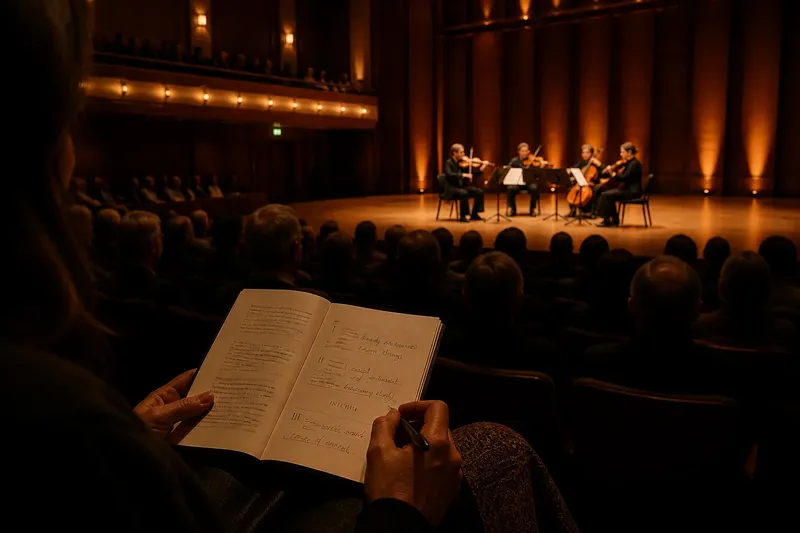
Start with the performance. If you want to follow a singer’s expressions, watch musicians’ hands, or concentrate on quieter passages, an assigned seat can make it easier to hold a steady view. If you hope to sway, dance, or change position, an open standing area may feel more natural.
Genre is a clue, not a rule. A chamber performance might take place in a hall with standing space, while a loud band might play in a theater where most of the audience sits. Check the event listing, venue map, and performance description. If they do not clarify whether standing is expected or permitted, ask the box office.
Consider what you want to do between pieces, too. A seat makes it easier to settle in with a coat or program. Standing gives you room to reposition, but moving through a crowd can interrupt other listeners.
Check sightlines from the actual section
In a standing area, sightlines can change as the crowd fills in. A clear view at the start may narrow when people step forward or raise phones. In a seated section, the person in front of you can still block part of the stage, especially if the rows are level rather than raised.
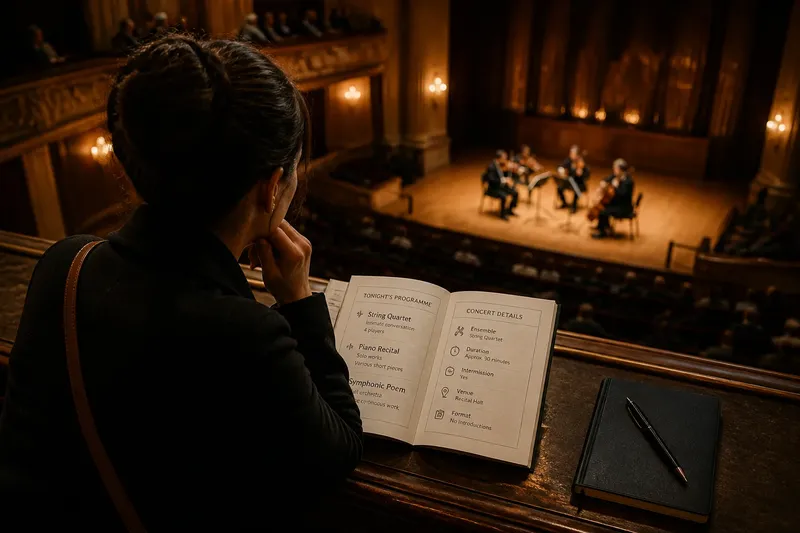
Look for a venue map that marks balconies, steps, columns, rails, and the stage. A side-angle seat may show the performers while concealing part of a screen or instrument setup. For standing room, ask whether the floor is flat, tiered, or divided into sections. If you need a particular viewing arrangement, contact the venue about its accessible seating or viewing options.
Say you want to watch a pianist’s hands and the listing shows a flat standing floor and a balcony with assigned seats. The balcony may better suit that goal, even if the standing area appears closer on the map. The useful question is what you can see from the place you can occupy, not simply how near it is.
Before buying, check whether your ticket names a reserved seat or grants entry to a general-admission section. A reserved seat gives you a specific place; general admission means choosing among available spots on arrival. Confirm the policy rather than guessing from the ticket type.
Compare comfort, movement, and access
Standing through a full performance can become tiring, particularly if shifting your weight is difficult. A seat can also be uncomfortable: legroom may be limited, the surface may be hard, or the angle may make it awkward to face the stage. Consider which drawback you are better prepared to manage and whether the venue offers another arrangement.
If you choose standing, consider how easily you can change position and whether there is space to do so. An edge position may leave more room to step aside but can provide a more angled view. If you choose a seat, check the chart for aisle and balcony locations, and ask the box office about access options if stairs, transfers, or legroom are concerns.
Do not treat sitting or standing as a test of endurance. If staying upright or seated for a long stretch can be difficult, ask the venue what arrangements it can make before purchasing.
Let the event’s movement norms guide you
Standing makes it easier to sway, dance, or step back when you need room. But movement is shared space: a lively section can feel cramped, and someone moving in front of you can interrupt another person’s view. A seat limits large movements but can suit music that rewards stillness and close attention.
Check the venue’s expectations. Some events encourage dancing in an open floor area; others ask audiences to stay in place. A seated ticket does not necessarily mean you must sit throughout, and a standing ticket does not mean dancing is expected. The event description or a quick question to staff can clarify what is typical.
If you want to move without pressing into others, choose a position with room to adjust and follow the crowd’s pace. If you prefer to listen quietly, choose a seat or a less crowded edge where nearby movement is less likely to distract you.
Resolve practical questions before choosing?
What should I do if the standing area looks crowded?
Ask staff whether the venue has a separate seated option, a designated viewing area, or guidance on where the crowd is gathering. If your ticket is general admission, ask before choosing a place so you can decide whether the available space suits you.
How can I tell whether my seat has a clear view?
Ask the box office about your exact section and any known obstructions, then compare its answer with the venue map. A seat number alone will not reveal whether a rail, column, or steep angle affects your view.
Can I sit down in a standing section?
That depends on venue rules and the space available, so confirm before you buy. Do not assume a standing floor has a safe or suitable place to sit during the performance.
Can I change position after the music starts?
In an unreserved standing area, you may be able to move if there is room and you do not obstruct others. In reserved seating, stay in your assigned place unless staff direct you elsewhere or you need to ask for help.
Weigh the whole audience experience
Closeness is not a dependable guide to sound or sight. Near a speaker, the sound may feel forceful; farther back, the overall mix may be easier to take in. A higher or more distant seat may offer a broader view, while an open floor can make the performance feel immediate. Speaker placement and room acoustics vary, so treat venue information as a guide rather than a promise that one spot suits every concert.
Consider your party, too. If you want to talk quietly before the music, keep belongings close, or leave with minimal disruption, assigned seating may be simpler. If everyone wants to dance and the event is designed around a standing audience, a seated section might feel removed from the energy you want. Agree on your priority before buying different ticket types.
A reserved seat reduces the need to search for a place after you enter. A general-admission standing ticket may let you choose where to stand, but the available space and view depend on what is open when you arrive. Check whether your ticket permits re-entry or movement between sections instead of assuming it does.
Use this decision check before you buy
- How do you want to listen? If you want a steady, focused view, choose a seat; if you want to sway or dance, consider standing. If neither fits, check whether the venue offers another section.
- What do you need to see? If the map shows a clear sightline from your section, keep it in consideration; if it shows a column, rail, or obstructed angle, ask about another section or seat.
- How comfortable are you staying in one position? If standing for the performance seems manageable, consider the floor; if not, compare seats and ask about access arrangements. If no option seems workable, contact the venue before buying.
- Is the space reserved or general admission? If the ticket names a seat, plan around that place; if it grants general admission, expect to choose from what is available on arrival. If the terms are unclear, confirm them with the box office.
- What does the event expect? If the listing encourages dancing or standing, consider the open floor; if it asks the audience to remain seated, choose a seat. If the guidance is missing, ask staff.
- Do you need an access arrangement? If the venue confirms an option that fits your needs, compare it with the event layout; if it cannot answer clearly, ask to speak with its access contact before purchasing.
Rules about seating, standing, access, and movement vary by venue and event. Follow the ticket terms and the venue’s instructions.
Make the choice around your priorities
When you are torn, decide which drawback would bother you less. Would you rather accept limited movement in exchange for a known place, or a less predictable view in exchange for room to shift? That answer can clarify the choice more quickly than trying to identify an objectively best ticket.
Standing room or a seat is a choice about how you want to attend the concert. For a performance built around precise gestures and quiet detail, favor the position that keeps your view steady. For a night where movement is part of the pleasure, look for space to respond without crowding others. Check the layout and ticket terms before buying; if the room differs from its map on arrival, ask an usher what options remain.